
If you’re setting up a home audio system, one question comes up quickly: do you need an amplifier? With receivers, powered speakers, soundbars, and integrated systems all available, it’s not always clear whether an amplifier is essential or optional.
At its simplest, an amplifier increases the strength of an audio signal so your speakers can produce sound at a usable volume. But whether you personally need one depends entirely on the type of equipment you’re using and how your system is designed.
This guide explains when you do need an amplifier, when you don’t, and how to tell the difference — in plain terms, without technical confusion.
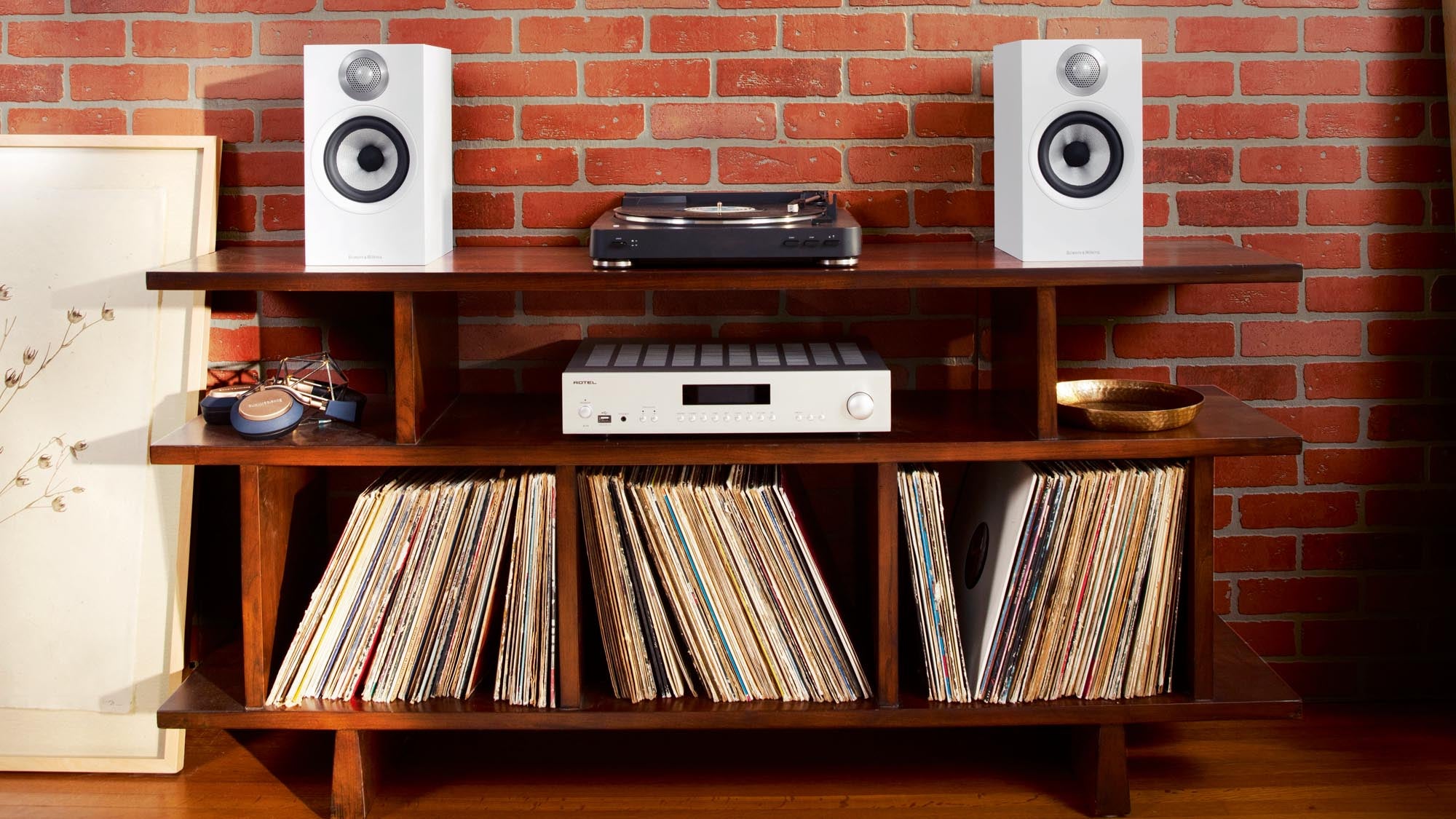
What Does an Amplifier Actually Do?
An amplifier takes a small audio signal and increases its power so your speakers can produce sound at an audible volume. Without amplification, the signal coming from a phone, TV, or music streamer is usually too weak to drive traditional passive speakers on its own.
Signal vs Power (Simple Explanation)
Think of the audio signal like a quiet voice. The amplifier acts like a microphone and speaker system that makes that voice loud enough for a room to hear. It doesn’t create new music — it simply makes the existing signal strong enough to move the speaker drivers properly.
If you want a deeper but still beginner-friendly explanation, this guide on what the function of an amplifier actually is break