Skip to content
Clearer decisions for better sound.
How-To

How to Choose an Amplifier Brand That Matches Your Speakers

Learn how speaker type, impedance, and room size affect which amplifier brand you should choose—and avoid common system-matching mistakes.

How-To AmplifierZone Editorial Team

Many audio systems sound “good enough,” yet something still feels missing. The speakers may be capable, the room may be fine, but the system lacks control, clarity, or consistency at certain volumes. This often leads to a familiar question: is the amplifier brand holding the speakers back?

This uncertainty is common because amplifier brand choice is frequently made too early. Instead of responding to speaker requirements, room size, and listening habits, buyers often choose brands based on reputation or marketing. When that happens, even a well-built amplifier can feel like the wrong fit.

In this guide, we explain how to choose an amplifier brand that truly matches your speakers. Rather than comparing specifications or individual models, we focus on brand design philosophies, real-world system behavior, and how to recognize when brand choice actually matters.
Tip: If you’re unsure whether your amplifier is limiting your speakers, start by understanding the role it plays in the system before considering a brand change.
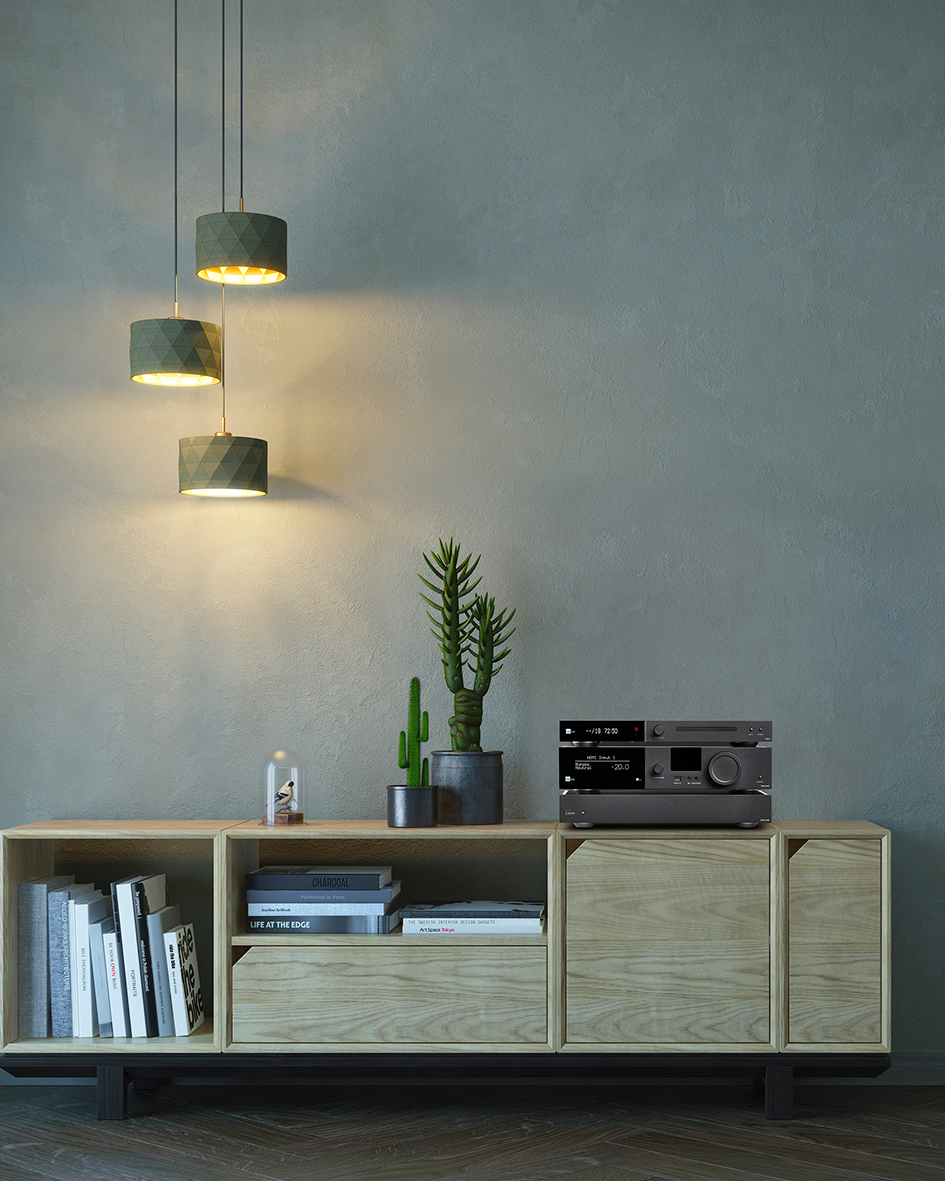
Minimal home audio setup showing amplifier integrated into a balanced speaker system in a modern living room
A well-matched amplifier brand supports speaker performance without drawing attention to itself.
Affiliate Disclosure: AmplifierZone may earn a commission from qualifying purchases made through links on this page. This does not influence our conclusions. All guidance is based on system behavior, brand design priorities, and long-term listening considerations.